Will AI Replace Electrical & Electronics Engineering Jobs?
AI automates circuit simulation, PCB layout optimisation, and basic signal analysis. Electrical engineers who design novel embedded systems, debug complex hardware-software interactions, and work at the cutting edge of power electronics and RF design retain strong professional positions.
34 roles found
Animatronics Engineer (Mid-Level)
Bespoke physical fabrication, artistic engineering judgment, and multidisciplinary design protect this role — AI augments CAD and motion programming but cannot design, build, and commission a one-of-a-kind animatronic figure in a unique themed environment. Safe for 5+ years with evolving tool demands.
Audio Engineer — Theme Parks (Mid-Level)
Physical installation and acoustic tuning in unique attraction environments protect this role from displacement. AI augments monitoring and documentation but cannot mount speakers inside a dark ride or tune a PA system in a themed water feature. Safe for 5+ years.
Computer Hardware Engineer (Mid-Level)
The most borderline Yellow in the index at 47.9 — one-tenth of a point below Green. AI hardware demand (GPUs, TPUs, custom silicon) creates a positive growth correlation that no other engineering discipline shares, and wages surged 15% in 2025 driven by AI infrastructure build-out. But weak barriers (no PE, no licensing) and 65% of task time facing meaningful AI augmentation from EDA tools keep this role in the transformation zone. Adapt within 3-7 years.
Control Systems Engineer (Mid-Level)
This role's combination of physical plant-floor presence, safety-critical judgment on live industrial processes, and growing demand from manufacturing modernisation places it firmly in the Green Zone. Safe for 5+ years with significant transformation of programming and documentation workflows.
Electrical and Electronic Engineering Technologist/Technician (Mid-Level)
Hands-on testing, calibration, and prototyping provide meaningful physical protection, but automated test equipment (ATE) and AI-enhanced diagnostics are compressing headcount per lab and production line. BLS projects just 1% growth over the decade. Adapt within 3-5 years.
Electrical and Electronics Drafter (Mid-Level)
AI-powered EDA and CAD tools automate 90% of scored task time — schematic generation, PCB layout, wiring diagram revision, and document control. BLS projects decline with only 21,600 jobs remaining. Act within 12-24 months.
Electrical Engineer (Mid-Level)
Strong market demand driven by electrification, renewable energy, and EV expansion protects this role from rapid displacement, but PE licensing is optional for most positions outside power systems and building electrical — removing the institutional moat that keeps civil engineers Green. 60% of task time faces meaningful AI augmentation as EDA tools and AI-enhanced simulation mature. Adapt within 3-7 years.
Electro-Mechanical and Mechatronics Technologist/Technician (Mid-Level)
Physical assembly, installation, and calibration of electromechanical systems provide meaningful protection, but automated test equipment, AI-enhanced diagnostics, and PLC auto-tuning tools are compressing headcount. BLS projects just 1% growth over the decade. Adapt within 3-5 years.
Electronics Engineer, Except Computer (Mid-Level)
Strong demand driven by 5G/6G, IoT, medical devices, aerospace/defense, and EV expansion protects this role from rapid displacement, but PE licensing is rarely required and 70% of task time faces meaningful AI augmentation as EDA tools and AI-enhanced simulation mature. Adapt within 3-7 years.
Embedded Hardware Engineer (Mid-Level)
Physical prototyping, lab-based board bring-up, and EMC testing anchor this role firmly in the Green zone, but AI-enhanced EDA tools are accelerating PCB layout, component selection, and design documentation. Safe for 5+ years with steady demand driven by IoT, edge AI, and automotive electrification.
EMC/Signal Integrity Engineer (Mid-Level)
EMC/SI engineering demands physical lab work in anechoic chambers and regulatory compliance sign-off that AI cannot replicate, but 60% of task time faces meaningful AI augmentation as electromagnetic simulation and signal integrity tools mature. Adapt within 3-7 years.
Entertainment Technician — Theme Park (Mid-Level)
Physical show system maintenance in unique, unstructured attraction environments provides strong protection — AI augments monitoring and documentation but cannot crawl inside a dark ride to replace a servo motor. Safe for 5+ years with evolving skill demands.
ERTMS Systems Engineer (Mid-Level)
Safety-critical ETCS accountability, physical trackside commissioning, and EU-mandated digital railway migration make this a strongly protected engineering specialism. Safe for 10+ years.
EV Charging Infrastructure Engineer (Mid-Level)
Physical site surveys, grid connection assessments, and charger commissioning create an irreducible field presence moat, while explosive EV adoption and charging network buildout sustain multi-year demand that outpaces AI displacement of design and configuration workflows. Safe for 5+ years with active tool adoption.
FPGA Engineer (Mid-Level)
Strong demand driven by AI inference acceleration, defense modernisation, 5G/6G, and data centre expansion protects this role from rapid displacement, but 75% of task time faces meaningful AI augmentation as HLS tools, AI-enhanced synthesis, and automated verification mature. Adapt within 3-7 years.
Ground Station Engineer (Mid-Level)
This role is protected by physical infrastructure work and growing satellite demand, but AI-driven ground-station-as-a-service platforms are transforming the software and monitoring layers. Safe for 5+ years with adaptation.
Instrumentation Engineer (Mid-Level)
This role's heavy physical field presence in hazardous process environments, safety-critical accountability for SIS/SIL systems under IEC 61511, and persistent workforce shortage in oil & gas and chemicals place it firmly in the Green Zone. Safe for 5+ years with transformation of documentation and specification workflows.
Photonics Engineer (Mid-Level)
Niche but growing demand from silicon photonics, LiDAR, telecom transceivers, and AI datacentre interconnects protects this role from immediate displacement, but 65% of task time faces meaningful AI augmentation as AI-enhanced photonic simulation, inverse design, and automated test analysis mature. Adapt within 3-7 years.
Power Systems Engineer (Mid-Level)
Surging demand from grid modernisation, energy transition, and AI data centre expansion creates a multi-decade demand buffer. PE licensing requirements, safety-critical professional judgment, and mandatory physical site work protect the core of this role, even as AI-enhanced simulation tools (ETAP, PSS/E, DIgSILENT) accelerate routine analysis. Safe for 5+ years with active tool adoption.
Quantum Error Correction Engineer (Mid-Level)
This niche, high-skill role is protected by genuine novelty and talent scarcity today, but zero structural barriers and rapidly advancing ML decoders mean the work is transforming fast. Adapt within 3-5 years.
Radar Systems Engineer (Mid-Level)
Radar engineering's unique combination of deep domain physics (radar equation, electromagnetic propagation, waveform theory), physical testing in anechoic chambers and antenna ranges, and defence/classified programme barriers places it firmly in the Green zone. At 53.9, this role sits 5.9 points above the threshold, protected by domain depth that AI tools cannot replicate and defence industry hiring that shows no signs of slowing. Safe for 5+ years with active AI tool adoption.
Railway Electrification Engineer (Mid-Level)
OLE/third-rail electrification design and commissioning combines physical trackside work in safety-critical rail environments with engineering accountability that AI cannot legally hold. UK electrification investment and skills shortage sustain demand. Safe for 10+ years.
Railway Signalling Engineer (Mid-Level)
Acute skills shortage, safety-critical accountability, and physical trackside work in unstructured environments make this one of the most AI-resistant engineering roles. ETCS/ERTMS rollout creates structural demand growth for decades. Safe for 10+ years.
Ride Systems Engineer (Mid-Level)
Safety-critical ride control logic for attractions carrying live guests, mandatory physical commissioning on ride systems, and strong regulatory barriers (ASTM F24, jurisdictional ride inspections) protect this role from displacement. AI augments documentation and diagnostics but cannot commission a coaster. Safe for 5+ years.
Page 1 of 2
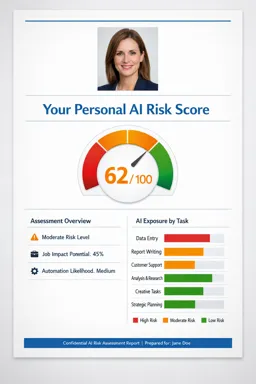
What's your AI risk score?
We're building a free tool that analyses your career against millions of data points and gives you a personal risk score with transition paths. We'll only build it if there's demand.
No spam. We'll only email you if we build it.
The AI-Proof Career Guide
We've found clear patterns in the data about what actually protects careers from disruption. We'll publish it free — but only if people want it.
No spam. We'll only email you if we write it.